Raiu Is a Test Which Uses a Radioactive Substance
The test can show how much tracer is absorbed by the thyroid gland. How the test is performed.
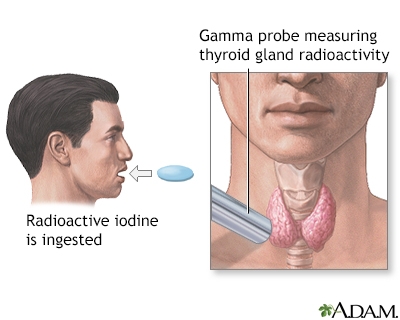
Radioactive Iodine Uptake Information Mount Sinai New York
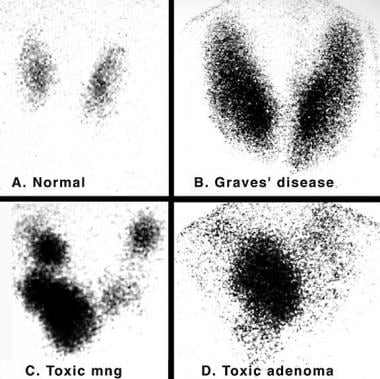
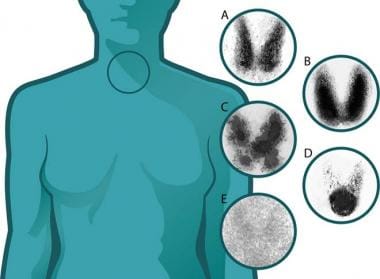
The other is called a thyroid scan.

. In 1969 we lowered the normal range for the RAIU test to 0 to 24 and used the ne. The RAIU test often is done along with a thyroid scan which shows if the tracer is evenly spread in the gland. The RAIU test often is done along with a thyroid scan which shows if the tracer is evenly spread in the gland.
In nuclear medicine radioactive substances are often injected directly into the patients vein or given by inhalation. The test can show how much tracer is absorbed by the thyroid gland. The test can show how much tracer is absorbed by the thyroid gland.
The RAIU test often is done along with a thyroid scan which shows if the tracer is evenly spread in the gland. A radioactive iodine uptake RAIU test uses a radioactive tracer and a special probe to measure how much tracer the thyroid gland absorbs from the blood. Clinicians use these rays for diagnostic and treatment purposes.
The RAIU test often is done along with a thyroid scan which shows if the tracer is evenly spread in the gland. Mean RAIU values in Group B decreased from those in Group A. A radioactive iodine uptake RAIU test uses a radioactive tracer and a special probe to measure how much tracer the thyroid gland absorbs from the blood.
The test uses a radioactive tracer which is a protein or a molecule attached to radioactive material. The test can show how much tracer is absorbed by the thyroid gland. After a time usually 6 and 24 hours later you must return to have the radioactivity.
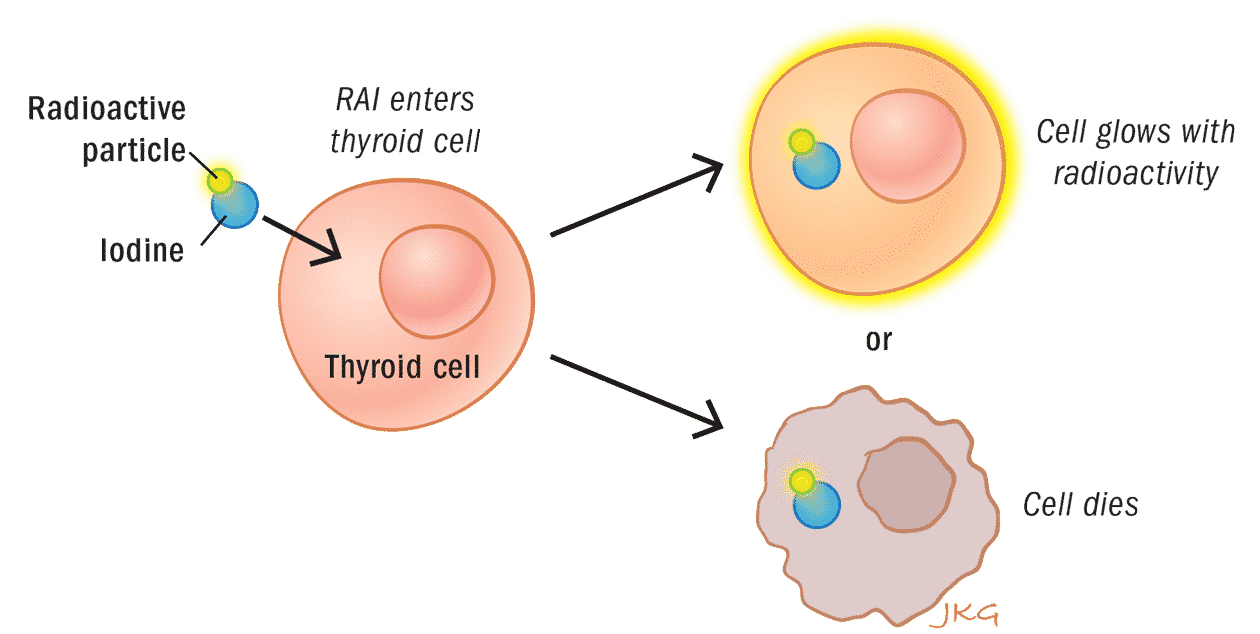
A radioactive iodine uptake RAIU is one of two kinds of scans used to diagnose thyroid diseases. This diagnostic procedure works on the principle of the unstable nuclide of the atom which tries to attain stability by releasing an alpha beta and gamma rays. The radioactive iodine uptake test RAIU is also known as a thyroid uptake.
Doctors use nuclear medicine to diagnose evaluate and treat various diseases. We compared the 24-hour uptake of radioactive iodine RAIU in. RAIU assists in the diagnosis of both hyperthyroidism and hypothyroidism but it is more useful in the diagnosis of hyperthyroidism.
The RAIU test often is done along with a thyroid scan which shows if the tracer is evenly spread in the gland. The test can show how much tracer is absorbed by the thyroid gland. RAIU is a type of nuclear test that measures how much radioactive iodine is taken up by the thyroid gland in a given time period.
A radioactive iodine uptake RAIU test uses a radioactive tracer and a special probe to measure how much tracer the thyroid gland absorbs from the blood. To understand more about it read the paragraphs below. The test can show how much tracer is absorbed by the thyroid gland.
A thyroid scan is a type of nuclear medicine imaging. The radioactive tracer is administered. You are asked to ingest swallow radioactive iodine I-123 or I-131 in liquid or capsule form.
But both overproduction and underproduction of thyroxin can lead to health problemsThere are two main types of thyroid problems hypothyroidism and hyperthyroidism. Radioactive iodine uptake RAIU is a nuclear medicine study used for evaluating thyroid function. We compared the 24-hour uptake of radioactive iodine RAIU in hyperthyroid patients diagnosed from 1970 to 1972 Group A and from 1975 to 1976 Group B.
The thyroid is an extremely important gland that is responsible for the production of the thyroxin hormone. A radioactive iodine uptake RAIU test uses a radioactive tracer and a special probe to measure how much tracer the thyroid gland absorbs from the blood. The test can show how much tracer is absorbed by the thyroid gland.
The radioactive iodine uptake RAIU test is used to quantitate the overall metabolism and kinetics of iodine in the thyroid gland by measuring how much orally ingested iodide is concentrated in the thyroid gland. Using radioactive material the test can assess diagnose and treat certain diseases. A radioactive iodine uptake RAIU test uses a radioactive tracer and a special probe to measure how much tracer the thyroid gland absorbs from the blood.
Are combined with monoclonal antibodies. The RAIU test often is done along with a thyroid scan which shows if the tracer is evenly spread in the gland. RAIU is a test in which radioactive iodine is administered orally and functions as a tracer to provide images of the thyroid gland.
The test can show how much tracer is absorbed by the thyroid gland. The radioactive iodine uptake RAIU test is used to analyze the functioning of the thyroid gland. It can also show if treatment is.
The RAIU test often is done along with a thyroid scan which shows if the tracer is evenly spread in the gland. The RAIU test often is done along with a thyroid scan which shows if the tracer is evenly spread in the gland. The test can show how much tracer is absorbed by the thyroid gland.
The RAIU test often is done along with a thyroid scan which shows if the tracer is evenly spread in the gland. Radioactive iodine uptake is a test that helps diagnose thyroid problems. A radioactive iodine uptake RAIU test uses a radioactive tracer and a special probe to measure how much tracer the thyroid gland absorbs from the blood.
Technetium-99m xenon-133 and gallium-67 are radiopharmaceutical drugs that ________. It is a measurement of thyroid function but does not involve imaging. The radioactive iodine uptake test or RAIU test is a type of thyroid test that is.
It directly measures the ability of the thyroid gland to concentrate and retain circulating iodide for the synthesis of thyroid hormone. A radioactive iodine uptake RAIU test uses a radioactive tracer and a special probe to measure how much tracer the thyroid gland absorbs from the blood. The RAIU test often is done along with a thyroid scan which shows if the tracer is evenly spread in the gland.
A radioactive iodine uptake RAIU test uses a radioactive tracer and a special probe to measure how much tracer the thyroid gland absorbs from the blood. A radioactive iodine uptake RAIU test uses a radioactive tracer and a special probe to measure how much tracer the thyroid gland absorbs from the blood. Nuclear medicine uses small amounts of radioactive material called radiotracers.
The test can show how much tracer is absorbed by the thyroid gland. The thyroid gland as we all know produces the hormones T4 and T3 that help in regulating the rate of metabolism and also affects the functioning of many. An RAIU is a nuclear test that works by detecting molecular activity.
A radioactive iodine uptake RAIU test uses a radioactive tracer and a special probe to measure how much tracer the thyroid gland absorbs from the blood.

Thyroid Scintiscanning An Overview Sciencedirect Topics

Actinium Oxidation State Science Writing Thorium

Radioactive Iodine Uptake Test

Pin On Rabiya Jahangir Ex Dietitian

Technetium 99m Imaging Technetium 99mtc For Cardiac Imaging Nuclear Medicine Nuclear Medicine Technologist Medical Knowledge

Lanthanum Periodic Table Bring It On Investigations

Is It Safe To Use Radioactive Iodine Rai For Hyperthyroidism Providence
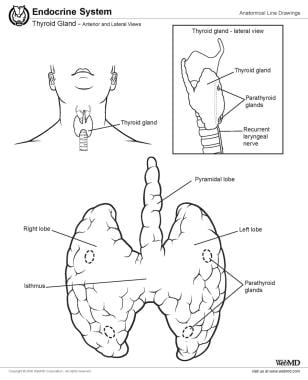
Radioactive Iodine Uptake Testing Background Indications Contraindications

Thyroid Scan
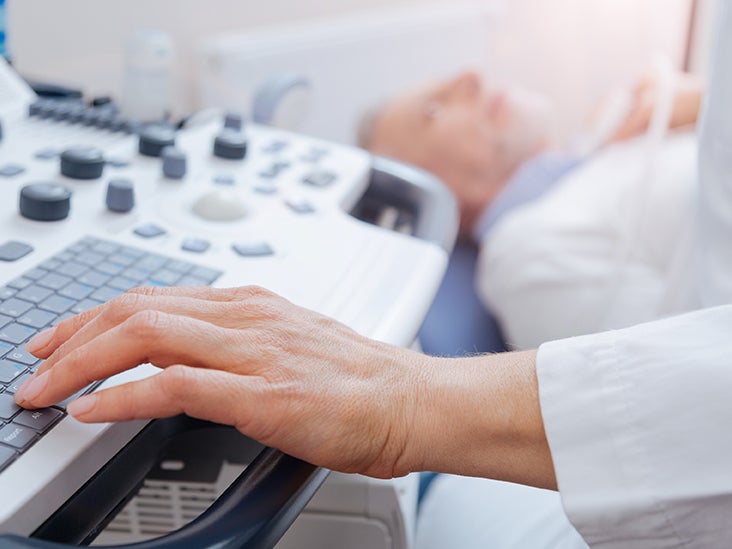
Radioactive Iodine Uptake Test
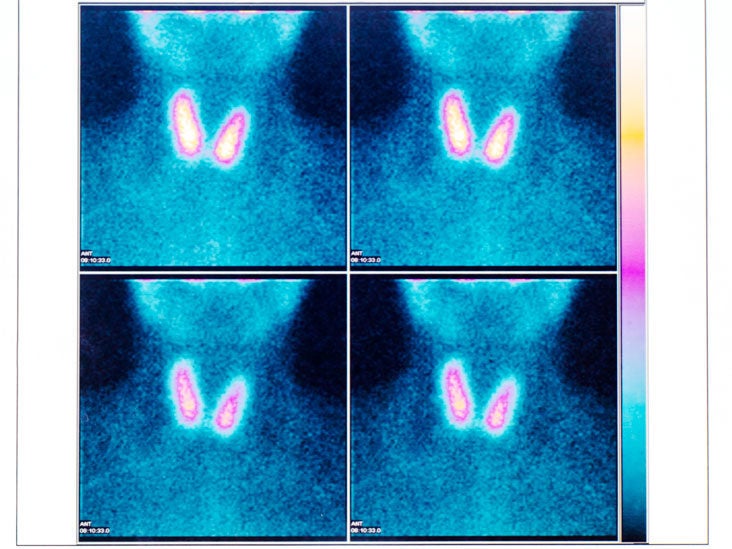
Thyroid Scan Purpose Procedure And Results
Radioactive Iodine Rai Uptake Thanc Guide
Which Scintigraphy Findings Suggest Graves Disease
Radioactive Iodine Rai Uptake Thanc Guide
:max_bytes(150000):strip_icc()/radioactive-iodine-uptake-test-5c6c2ec646e0fb0001f935df.jpg)
Radioactive Iodine Uptake Test
Thyroid Uptake Radiology Imaging Associates
Radioactive Iodine Uptake Testing Background Indications Contraindications

Thyroid Scintiscanning An Overview Sciencedirect Topics

Pdf Eanm Practice Guideline Snmmi Procedure Standard For Raiu And Thyroid Scintigraphy


Comments
Post a Comment